Social media has changed how small businesses compete. A company no longer needs a massive advertising budget to reach potential customers. With useful content, a clear brand identity, and consistent communication, even a small business can build a meaningful online audience.
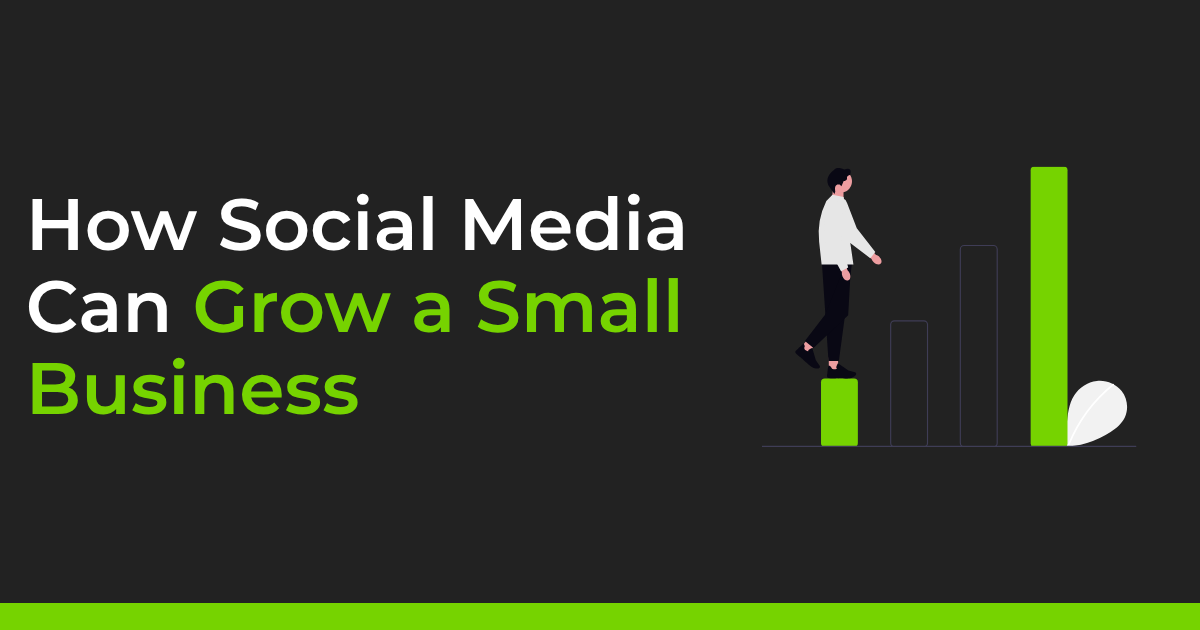
Social Media Creates Visibility
One of the biggest challenges for small businesses is getting noticed.
Platforms such as Instagram, Facebook, YouTube, LinkedIn, and others provide opportunities to introduce businesses to people who may never have discovered them through traditional marketing.
Short-form videos, educational posts, customer stories, and visually engaging content can increase awareness.
It Builds Trust
People want to know who they are buying from.
Social media allows businesses to show their products, processes, employees, expertise, customer experiences, and personality.
For example, a local café can post behind-the-scenes videos, introduce employees, showcase new dishes, and share customer experiences.
This creates familiarity that a static advertisement may not provide.
Content Can Demonstrate Expertise
Small businesses can use educational content to position themselves as knowledgeable.
A digital marketing agency could explain SEO concepts. A dentist could discuss oral hygiene. A real estate professional could explain home-buying considerations.
When businesses consistently answer customer questions, they become useful rather than simply promotional.
Social Media Encourages Community
Social platforms allow two-way communication.
Customers can comment, ask questions, send messages, share content, and provide feedback.
Businesses that respond actively can create a sense of community around their brand.
This relationship can become particularly valuable for small businesses because customer loyalty can have a significant impact on long-term growth.
Paid Advertising Can Expand Reach
Organic content is valuable, but businesses can also use paid advertising to reach carefully defined audiences.
Advertising platforms allow businesses to test different audiences, creative formats, messages, and offers.
A local business can focus advertising on relevant geographic areas instead of spending its entire budget on a broad audience.
Social Proof Matters
Customer testimonials, reviews, user-generated content, and case studies can reduce uncertainty.
When potential customers see real experiences from other customers, they may feel more confident about purchasing.
Businesses should therefore make it easy for satisfied customers to share their experiences.
Consistency Is Essential
One of the biggest mistakes small businesses make is posting for a few weeks and then disappearing.
Social media growth generally requires consistency.
That does not mean posting meaningless content every day. It means developing a sustainable content system that the business can maintain.
Measure Business Results
Likes and followers can be useful indicators, but they are not the ultimate goal.
Businesses should also monitor website visits, inquiries, leads, bookings, sales, and customer retention.
The purpose of social media is ultimately to support business growth.
Conclusion
Social media gives small businesses a powerful opportunity to compete through creativity, expertise, personality, and customer relationships.
A strategic approach can transform social media from a simple posting platform into a meaningful source of awareness, trust, leads, and revenue.